We are a small NGO committed to direct and financially transparent well building
Water continues to be a challenge in many parts of the world. Many generous donors want to help but find it challenging to contribute not exactly knowing if their dollars will truly make a difference.
Our model is centered around financial transparency and direct well building.
Our mission is to bring water to the farthest people first and to do so in a financially transparent way.
Often times digging a well is the easiest part of establishing a meaningful and sustained water solution to a community. Repair needs, community buy in, maintenance costs, and politics are some of the few variables that can conspire to derail a project. Many NGOs only highlight the successes. Part of our mission is to be upfront in sharing our failures just as much. We believe this to be more transparent and lays the groundwork for more successful projects.
Frequently Asked Questions
Answers to our most commonly asked questions.
Why northern Ghana?
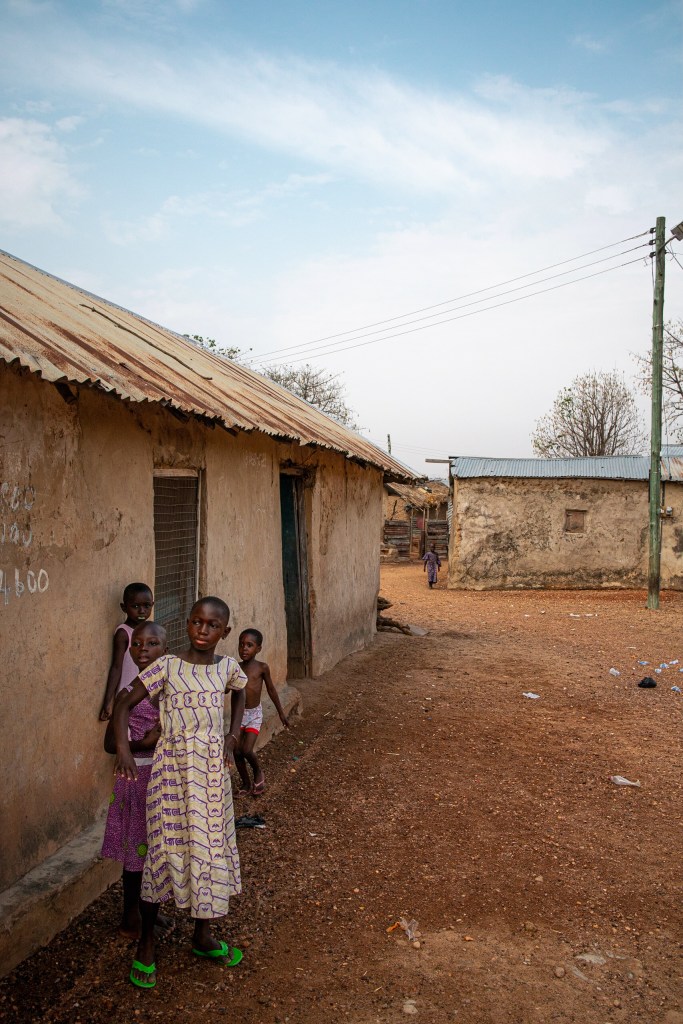
There is no doubt that many parts of the world have a need for fresh clean water. Our group was founded after a need was identified while traveling near Mole National Park, one of Ghana’s most popular tourists attractions. And yet closest town to the park, Larabanga, has a major water crisis. Seeing school children drinking bright green water from stagnant ponds was the first insight into the water problem that unfortunately plagues this region of Ghana. Of course we would love to be bigger, but we believe that by focusing on a small region particularly in our early days we can be more effective in building successful wells.
Tell me more about northern Ghana.
The northern part of Ghana is a much different climate from southern Ghana, and on the whole, tends to be less resourced. Ghana is bordered to the north by Burkina Faso. The Savannah Region is home to a number of different people, tribes, and languages. Gonja, Hausa ***
Why is there a need for wells?
Stalled projects, empty political promises, economic neglect represent a few of the forces at play behind the lack of clean water in much of the Savannah Region. Many villages remain without electricity and with severely limited economies.
Whatever the reasons, the end result is undeniable: thousands of people without access to clean water are left to use swamps and stagnant pools to drink.
Are these wells sustainable?
We recognize that the easiest part of bringing water to a people sometimes is the well-building process (and also the easiest part to publicize). Our focus from the get-go is on building wells that have the potential to be long standing. We require significant community input towards the wells that we construct and that there be a maintenance plan in place prior to well construction.
What about solar – powered wells?
Who digs the well?
What are the steps to building a well?
How can I donate?
Can I donate a well in honor of a loved one?
 Savannah Water Project